
English| EUR
Suggested for you
More currencies
Choose a language
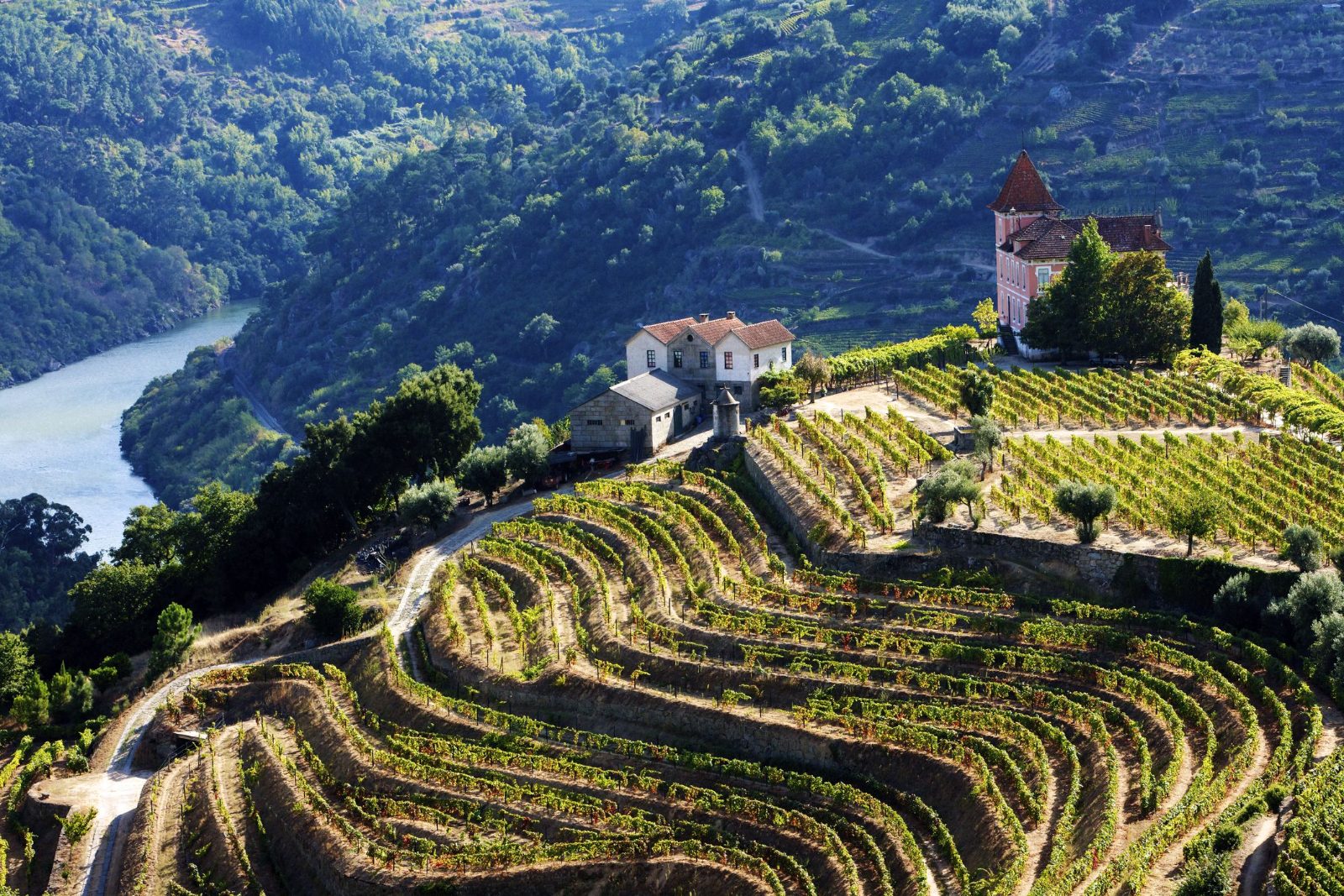
The Douro Valley's UNESCO-protected landscape combines steep hillside trails, stone cellar interiors, and open-air tasting terraces. Your clothing choices shape comfort across temperature shifts, walking surfaces, and formal quinta settings. This guide addresses fabric selection, footwear requirements, and seasonal adjustments for wine estate visits.
Quick answer
Dress in layers with breathable fabrics, closed-toe walking shoes with grip, and sun protection for Douro Valley wine tours. Estate visits involve uneven cobblestones, vineyard slopes, and temperature variations between cool cellars and outdoor terraces. Most quintas maintain a smart-casual standard during tastings—avoid beachwear, athletic shorts, or flip-flops. Seasonal extremes demand wool layers in winter and moisture-wicking cotton in summer.
The Douro River carved terraces into schist bedrock over millennia, creating vineyard slopes that routinely exceed 30-degree inclines. Modern visitors navigate these gradients on foot, where loose gravel paths and ancient stone staircases connect tasting rooms to production facilities. Proper footwear becomes non-negotiable—the region's historic quintas were built for utility, not accessibility, and polished leather soles or open sandals create genuine safety risks on wet stone surfaces during harvest season. Understanding what to wear on a Douro Valley wine tour starts with recognizing the microclimate swings inherent to river valley topography. Cellars maintain year-round temperatures between 14°C and 18°C for barrel aging, while exposed vineyard terraces can reach 35°C in July and August. A single estate visit moves you through four distinct thermal zones within an hour—fermentation halls, underground tunnels, shaded courtyards, and sun-exposed hillsides. Layered clothing solves this variability without requiring wardrobe changes between tour segments. Quinta protocols reflect Portuguese hospitality traditions rather than rigid formality. Most estates welcome guests in collared shirts, clean jeans, and closed walking shoes—the standard falls between rural casual and urban dining attire. Tank tops, athletic wear, and beach sandals signal unfamiliarity with wine-country norms and may prompt polite redirection at premium properties. The exceptions cluster around harvest festivals and private reserve tastings, where blazers and dresses replace everyday touring outfits. Fabric selection matters as much as style. Cotton blends breathe during uphill walks between vineyard blocks, while synthetic athletic materials trap perspiration and amplify discomfort in poorly ventilated cellar spaces. Sun protection extends beyond hats—long sleeves in lightweight linen prevent arm burns during two-hour walking tours, and UV-blocking sunglasses reduce glare off the Douro River's surface when estates position tasting tables on waterfront terraces. Visitors arriving between November and March should pack a waterproof shell; winter rainfall in the valley averages 120mm monthly, and open-air portions of tours proceed regardless of drizzle. The answer to what to wear for vineyard visits in the Douro ultimately balances practicality with respect for winemaking traditions. Estates operate as working agricultural properties first and tourist venues second—your clothing should acknowledge that you are walking through someone's workplace and livelihood, not a themed attraction.
“Cellars maintain year-round temperatures between 14°C and 18°C while exposed vineyard terraces can reach 35°C in summer—a single estate visit moves you through four distinct thermal zones within an hour.”
Douro Valley vineyards expect visitors to dress appropriately for outdoor terrain while respecting the working winery environment. Thoughtful clothing choices and courteous conduct ensure a smooth tasting experience.
The period between April and May or September and October offers the most temperate conditions for wine tours. These shoulder seasons provide mild climates that simplify clothing choices, avoiding the extreme heat of summer.
Mild and pleasant, 15°C–22°C
Vegetation is lush and green, ideal for outdoor vineyard walks and lighter layers.
Very hot and dry, 25°C–35°C
Intense sun requires breathable natural fabrics, wide-brimmed hats, and UV protection.
Cooler evenings, 18°C–26°C
This active season brings moderate temperatures, making light jackets or sweaters necessary for morning and evening shifts.
Cold and rainy, 5°C–14°C
Visitors should prioritize thermal base layers and waterproof outerwear for damp, chilly conditions.
Verdict: The best time to visit for optimal comfort is during the shoulder months of May or October, ideally arriving within the 10:00–17:00 window.
Pack these essentials to handle the valley's terrain, sun exposure, and full-day logistics.
Vineyards in the Douro Valley conduct guided tours and tastings within the standard arrival window of 10:00–17:00. Outside of these hours, estates are generally closed to visitors.
There is no single entrance fee for the Douro Valley. Costs for tours and wine tastings vary depending on the individual estate chosen.
Verdict: While regional access is free, visitors should expect to pay varying fees for specific wine tours and tasting experiences at each vineyard.
Everything you need to know about douro valley wine tour what to wear
When considering douro valley wine tour what to wear, prioritize breathable, comfortable fabrics that handle the summer heat well. Layering is key, as temperatures can shift between the morning and afternoon.
You do not need formal attire for most estates in the region. A smart-casual approach is perfect for a visit to a Portuguese quintas wine estate.
Yes, comfortable walking shoes are essential because many vineyards feature uneven terrain, stone pathways, or steep terraced slopes. Choose closed-toe footwear to stay comfortable while exploring the grounds.
Since current weather in August is warm, your douro valley wine tour what to wear strategy should include light colors and natural fibers. Always check the forecast to see if you need a light layer for cooler cellar visits.
There are no strict dress codes for a wine tasting tour, but modest, clean clothing is standard practice. Focus on comfort so you can fully enjoy the viticulture experience and the landscape.
Avoid high heels and flip-flops, as these are impractical for navigating the outdoor vineyard trails. Additionally, try to avoid overly casual beachwear to maintain a respectful appearance at the wineries.
Casual clothing is perfectly acceptable for any visit to the Douro Valley wine region. Comfort is the priority when planning your day, though simple, neat outfits are always appreciated by staff.
A hat is highly recommended for any douro valley wine tour what to wear plan, especially during the summer. It provides necessary protection from the sun while you walk through the sun-drenched terraced hills.