
English| EUR
Suggested for you
More currencies
Choose a language
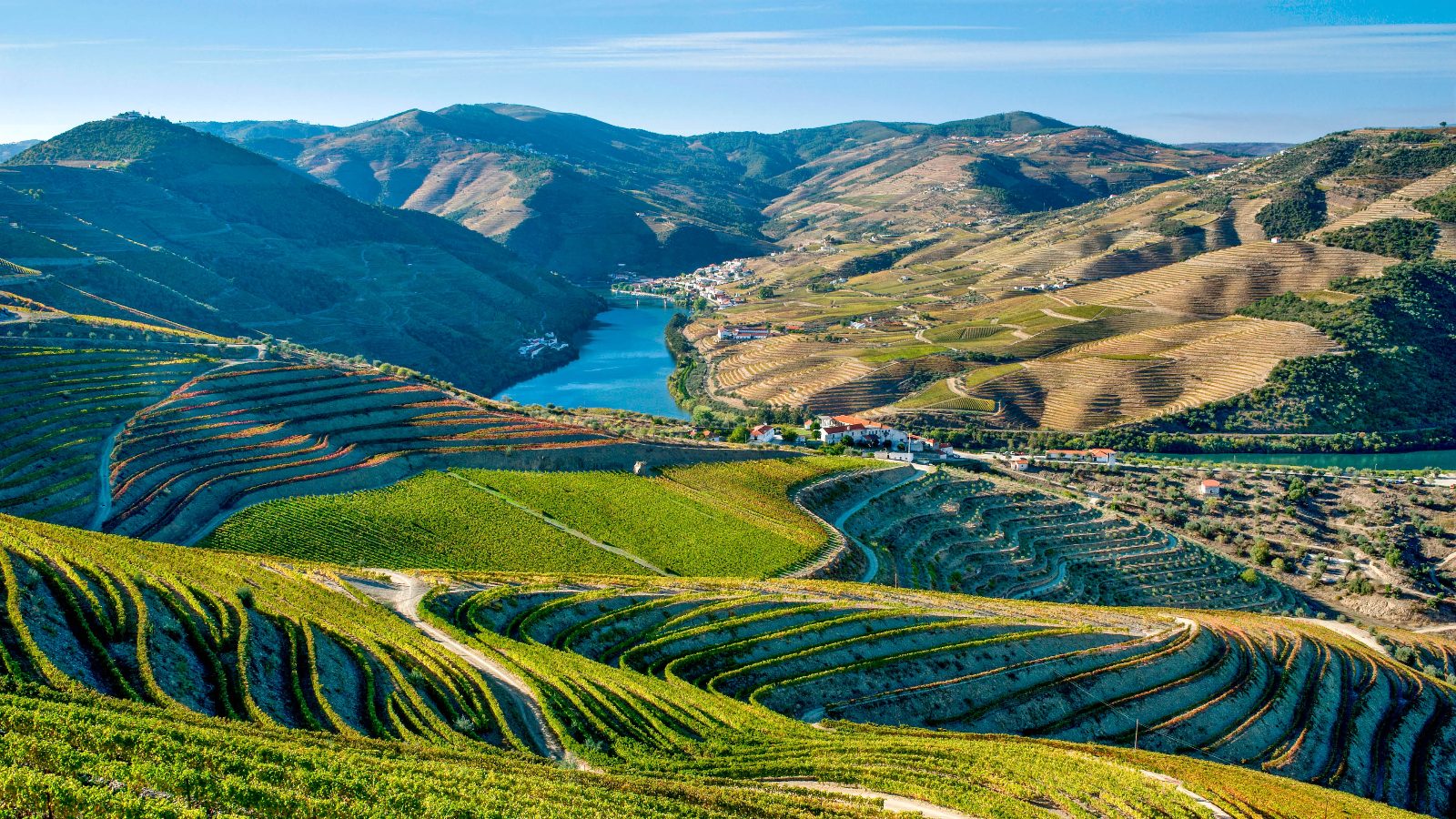
The Douro Valley's terraced vineyards and river landscapes offer more than wine tastings for adults. A growing number of quintas have adapted their estates to accommodate families, combining cellar tours with outdoor spaces, grape juice production demonstrations, and river access that keeps younger visitors engaged while parents explore the region's viticulture.
Quick answer
A douro valley wine tour with kids succeeds when you choose quintas with dedicated family programs, outdoor play areas, or picnic grounds. Several estates in the Pinhão and Peso da Régua areas offer grape juice tastings alongside wine samples, shortened cellar tours, and riverside terraces where children can move freely. Tours typically run daily from 10:00 to 18:00, with morning slots offering cooler temperatures and better availability for family groups.
Fewer than twenty percent of Douro Valley quintas advertised family programming before 2020, but demand from multi-generational travelers has shifted the landscape. Estates now recognize that parents researching a douro valley wine tour with kids need more than tolerance—they need structure that acknowledges shorter attention spans and different interests within the same visit. The terrain itself aids family logistics. Quinta courtyards and terraced gardens provide contained outdoor zones where children explore while adults remain within sight during tastings. River access at properties along the Douro offers a natural midpoint activity: a short boat trip or riverside walk breaks the rhythm between cellar visits and creates a sensory shift that resets energy levels for the next stop. Grape stomping demonstrations during harvest season and year-round cooperage workshops where coopers shape barrels give tactile experiences that engage visitors too young for tasting notes. Successful family itineraries in the valley layer winery visits with non-wine landmarks. The Douro railway between Peso da Régua and Tua runs along the river's north bank, passing quintas and terraced slopes in a journey that holds children's attention better than a third consecutive cellar tour. In Pinhão, the tile-panel train station and the pedestrian bridge offer quick, low-stakes stops that punctuate the day without requiring stamina. Families visiting the Douro Valley with children often anchor their day around a single in-depth quinta visit rather than attempting three or four quick tastings, trading breadth for depth and allowing time for spontaneous detours to viewpoints or riverside picnic tables. Most quintas request advance booking for family groups, particularly if requesting modified tour content or confirming outdoor space availability. The valley's summer heat makes morning departures essential—temperatures on exposed terraces climb quickly after midday, and shade is limited at viewpoints. Properties offering shaded tasting pavilions or indoor play corners solve the heat issue but book further ahead. Families planning a wine-focused Douro itinerary should verify each quinta's child policies and facilities before confirming stops, as estate infrastructure varies widely and not all properties listing family-friendly credentials offer substantive programming beyond permission to bring children along adult-focused tours.
“Quinta courtyards and terraced gardens provide contained outdoor zones where children explore while adults remain within sight during tastings.”
The best arrival window for a Douro Valley wine tour with kids is 10:00–12:00. Arriving during this period helps families avoid peak afternoon heat and ensures better availability for child-friendly activities.
Mild temperatures (15°C–22°C). Ideal for outdoor vineyard walks.
Warm days (20°C–25°C). Busy period with active grape picking.
—. Optimal timing for a quieter pace with children.
Verdict: For families, the best window is weekday mornings between 10:00 and 12:00 during the months of April, May, or October.
The Douro Valley region maintains consistent operating hours throughout the week to assist families in planning their wine tour logistics.
There is no universal regional entry fee for the Douro Valley. Costs depend entirely on the specific winery or estate chosen for your tour.
Verdict: While the region is free to explore, you should budget for individual tour and tasting fees set by each private winery.
Exploring the Douro Valley with children requires careful planning due to the region's steep terrain and rural winery settings. Many estates welcome families, provided there is preparation for limited infrastructure and active vineyard environments.
Most vineyard terrain consists of gravel, cobblestones, or steep inclines that are difficult for strollers. A carrier or backpack is the practical choice for navigating estate grounds.
Children aged seven and older generally adapt better to the slower pace of winery tours. Younger children may find the physical landscape challenging, as many areas lack enclosed play zones.
Public amenities are not standardized across rural properties. Ensure you verify available changing tables or restroom access directly with specific wineries before your visit.
Focus on tours that include boat trips on the Douro River or interactive outdoor walks through the vines. These activities offer sensory engagement that complements the educational aspects of wine production.
This sample itinerary suits families who want to experience Douro Valley's wine culture while keeping children engaged. Plan for a full day, starting mid-morning and wrapping up by late afternoon.
Begin at a family-friendly estate that offers vineyard walks and non-alcoholic grape juice tastings for children. Allow 90 minutes for a guided tour and tasting session.
Many quintas serve traditional Portuguese meals with outdoor seating and views over terraced vines. Book ahead during peak season to secure a table.
Drive to Pinhão village (20 minutes) and stroll along the Douro River, where children can watch rabelo boats and explore the tile-panel train station. Budget 45 minutes for photos and exploration.
Choose a shorter tour at this Symington family estate, which includes vineyard terraces accessible by foot. The tour lasts about one hour and offers shaded rest areas.
End the day in this riverside town (15-minute drive) with gelato from a local café. Children can stretch their legs in the waterfront park before heading back.
The Douro Valley is located in northern Portugal, accessible from Porto via reliable rail links or by driving through the scenic N222 road. For families, these transport methods offer the most flexibility when navigating the region's hilly terrain.
Linha do Douro from Porto Campanhã to Pinhão
A4 motorway and N222 road from Porto
River cruise departures from Cais da Estiva or Vila Nova de Gaia
If traveling by car, aim to arrive between 10:00–12:00 to secure parking at regional wineries before peak demand. Using the train allows for a relaxed pace, though regional transit between specific estates may require pre-arranged taxi transfers.
Everything you need to know about douro valley wine tour with kids
Most estates welcome families, though it is essential to check if your specific douro valley wine tour with kids includes activities suitable for younger guests. Many properties provide outdoor spaces where children can explore while parents enjoy local viticulture.
The best arrival window is between 10:00 and 12:00 to avoid peak afternoon heat and ensure your chosen douro valley wine tour with kids remains accessible. Arriving early helps secure a more relaxed pace for your family day out.
There is no universal regional entry fee, as costs vary by individual winery. You can expect an entrance fee of 0 EUR for access to the general Douro Valley region, but individual tasting fees may apply.
Planning a douro valley wine tour with kids requires focus on vineyard accessibility and proximity to dining options. We recommend selecting estates with flat terrain or guided tours that highlight the scenic landscape rather than just the tasting room.
Yes, many quintas offer educational walks through the terraced vineyards or boat trips on the river, making a visit to these Portugal landmarks highly versatile. These experiences provide a change of scenery from the traditional cellar tastings.
Visitors often rely on rental cars or private drivers to navigate the winding roads between hillside estates. Using a flexible transport method allows families to customize their itinerary at their own pace during a douro valley wine tour with kids.